Tips & Guides

TV Mounting Tips & Expert Advice

Helpful guides from Central NJ's trusted TV mounting team. Learn about placement, installation options, and how to get the best viewing experience in your home.

TV Placement

Best TV Height for a Bedroom: The Complete 2026 Guide

By NJ Mount Masters • 5 min read
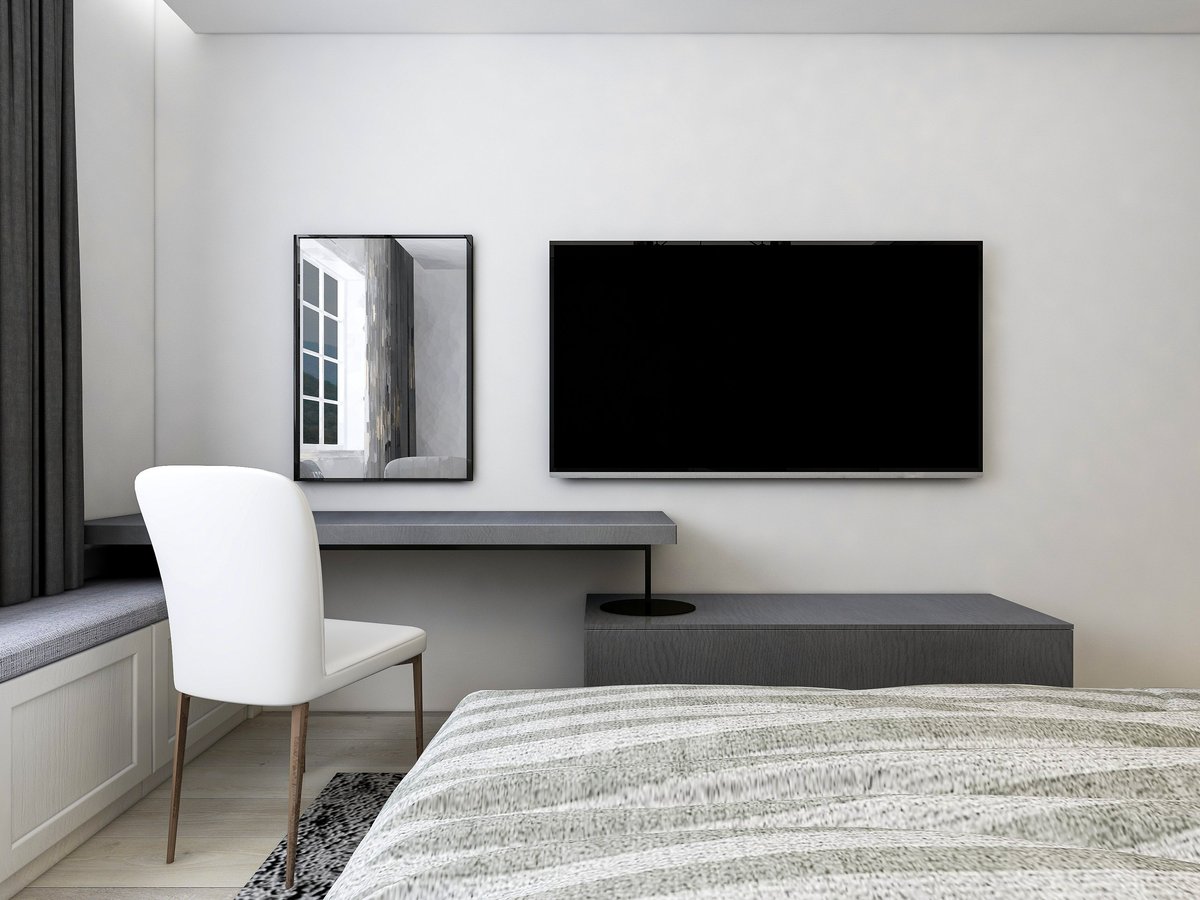
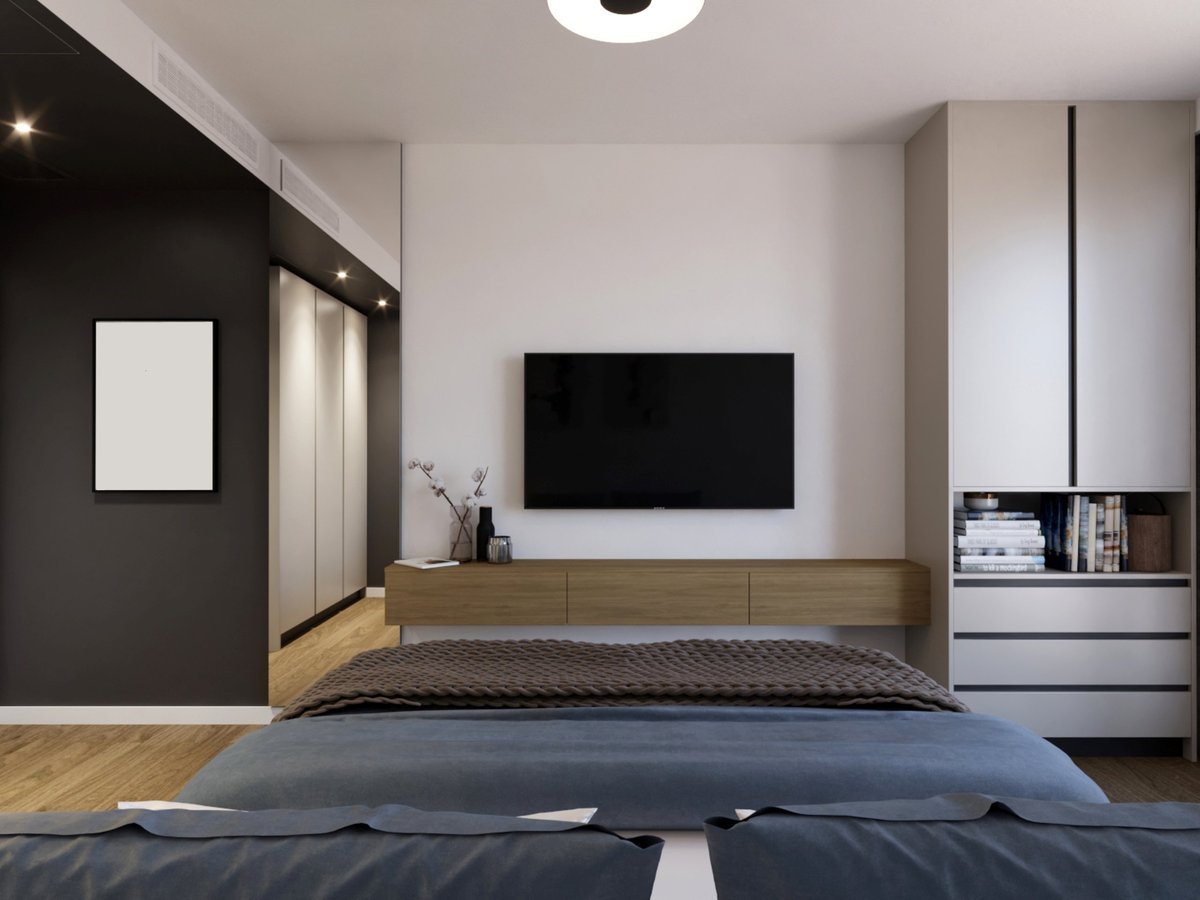
3D rendering, elegant and spacious bedroom design of modern apartment, overcoat cabinet beside the big bed, with dressing table and green plants

Mounting a TV in your bedroom is one of the best upgrades you can make — it frees up dresser space, creates a clean look, and gives you the perfect angle for watching from bed. But get the height wrong, and you'll be craning your neck or squinting from an awkward angle. Here's exactly where your TV should go.

The Golden Rule: Eye-Level From Your Viewing Position

Unlike a living room where you're seated upright on a couch, bedroom viewing happens while you're reclined or lying down. That changes everything. The center of your TV screen should align with your natural line of sight when you're in your typical watching position — usually leaning against pillows or lying down.

For most bedrooms, this means mounting the TV higher than you would in a living room. A good starting point: the bottom edge of the TV should be about 42–48 inches from the floor for a standard queen or king bed setup. If you have a lower platform bed, you might go a few inches lower.

TV Size vs. Viewing Distance in the Bedroom

Bedrooms tend to be smaller than living rooms, so bigger isn't always better. Here's a quick reference:

  • 32"–43" TV: Ideal for bedrooms where the bed is 5–8 feet from the wall
  • 50"–55" TV: Works well in master bedrooms with 8–12 feet of distance
  • 65"+ TV: Best reserved for large master suites or if you genuinely want a theater feel

Tilt Matters More Than You Think

A tilting mount is almost always the right call for a bedroom TV. Since the TV is mounted higher than eye level, a 5–10° downward tilt keeps the screen perpendicular to your line of sight, reducing glare and making the picture look sharper. Fixed mounts can work if the height is perfect, but tilting mounts give you flexibility.

Don't Forget Cable Management

A beautifully mounted TV loses its appeal fast if there's a tangle of wires hanging down the wall. In-wall cable concealment is the gold standard — it hides power cords and HDMI cables completely behind the drywall for a flawless finish. It adds to the cost but the result is worth every penny.

💡 Pro Tip from NJ Mount Masters:

Before mounting, lie in your typical watching position and have someone hold a piece of cardboard at different heights on the wall. This 60-second test can save you from a mounting position you'll regret for years.

Ready to have your bedroom TV mounted by pros?

Call for a Free Quote
Apartment Living

TV Mounting in an Apartment: What You Need to Know Before Drilling

By NJ Mount Masters • 6 min read

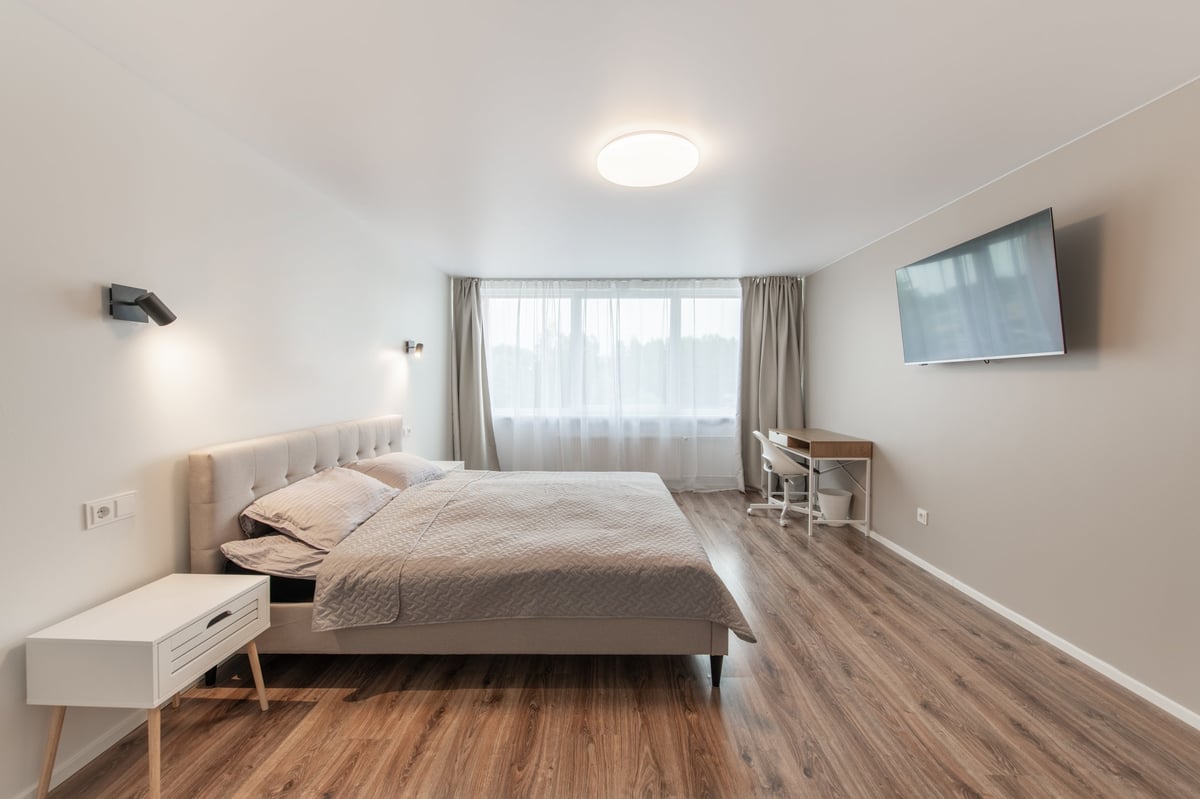
Luxurious master home bedroom interior, modern house, beautiful interiors, wide bedroom. TV Set on the Wall. King Size Bed, White Walls and Ceiling. Hardwood Floor. Wide Angle

Apartment dwellers face unique challenges when it comes to TV mounting. Lease agreements, wall types, and restoration requirements all come into play. The good news? You absolutely can mount a TV in most apartments — you just need to know the rules and plan ahead.

Step 1: Check Your Lease — Seriously

Most standard leases either explicitly allow wall mounting (sometimes requiring professional installation) or are silent on the issue. If it's not mentioned, you're generally in the clear — but always get written permission from your landlord first. A quick email saying "I'd like to have a TV professionally mounted, the installer is licensed and insured, and I'll restore the wall before moving out" is often all it takes to get a yes.

Know Your Wall Type

Apartments commonly have one of three wall types, and each needs different hardware:

  • Drywall with wood studs: The most common and easiest to work with. We locate the studs and drive lag bolts directly into them for rock-solid support.
  • Metal studs: Common in newer apartment buildings. Standard wood screws won't hold — we use toggle bolts or snap toggles rated for metal studs.
  • Concrete or masonry: Found in high-rise buildings. Requires hammer drilling and masonry anchors. Absolutely doable with the right tools.

The Deposit Question: Will You Get Your Money Back?

A professionally installed TV mount leaves four to six small lag bolt holes — easily patchable with spackle and touch-up paint. Most landlords won't bat an eye at properly patched holes from a TV mount. What they will notice: DIY disasters with oversized holes, cracked drywall, or mounts pulled out of the wall. This is one area where hiring a pro actually protects your security deposit.

No-Drill Alternatives

If your lease absolutely prohibits wall mounting, you still have options:

  • Freestanding TV floor stands: Modern designs look sleek and require zero wall contact
  • Ceiling mounts using a tension pole: Great for studios or open-plan apartments
  • Entertainment center with integrated mount: Combines furniture and TV support in one piece

🏢 We Know Central NJ Apartments:

NJ Mount Masters has installed TVs in apartment complexes across Edison, New Brunswick, Piscataway, and beyond. We know the common wall types in the area and bring the right hardware for every situation.

Living in an apartment? We'll work with your building's requirements.

Schedule Your Install
Buying Guide

Fixed vs Tilting vs Full-Motion Mounts: Which One Is Right for You?

By NJ Mount Masters • 4 min read

3D Render - Luxury Bedroom

Walk into any electronics store and you'll face three mount types. Each has its place, and picking the wrong one can mean the difference between a viewing experience you love and one you constantly adjust. Here's the honest breakdown from installers who work with all three every day.

Fixed Mounts: Slim, Sleek, and Simple

A fixed mount holds your TV flush against the wall — typically just 1–1.5 inches from the surface. It's the most affordable option and gives the cleanest, most built-in look.

  • Best for: Living rooms where you watch from directly in front of the TV, home theaters with dedicated seating, and spaces where you want the TV to blend into the wall.
  • Not ideal for: Bedrooms (where you're below the TV), kitchens, or any room where you'll be viewing from multiple angles.
  • Price range: $20–$80 for the mount itself.

Tilting Mounts: The Bedroom Champion

Tilting mounts let you angle the screen vertically — typically 5–15° downward. They sit a bit farther off the wall (2–3 inches) but solve the most common viewing problem: a TV mounted above eye level.

  • Best for: Bedrooms, above-fireplace installations, and any wall where the TV sits higher than your seated eye level.
  • Bonus benefit: The tilt helps reduce glare from overhead lights or windows.
  • Price range: $30–$120 for the mount itself.

Full-Motion Mounts: Maximum Flexibility

Full-motion (articulating) mounts let you pull the TV away from the wall, swivel it left or right, and tilt it up or down. They extend anywhere from 15–30 inches from the wall and are the most versatile option.

  • Best for: Open-concept spaces where you watch from multiple areas, corner installations, rooms with challenging layouts, and above-fireplace setups where you want to pull the TV down to a more comfortable height.
  • Trade-offs: Bulkier profile when pushed back, more expensive, and requires a sturdier installation since the extended arm creates more leverage on the wall.
  • Price range: $60–$250+ for the mount itself.
Fixed
Tilting
Full-Motion
Profile
1–1.5"
2–3"
2–3" (collapsed)
Vertical Tilt
None
5–15°
5–15°
Swivel
None
None
Up to 90°
Best For
Eye-level viewing
Above eye-level
Multiple angles

Still not sure? We bring all three mount types to every job and can help you decide on the spot based on your room and viewing habits.

Not sure which mount suits your space? We'll help you decide — free consultation included.

Get a Free Recommendation
Fireplace & Specialty

Mounting a TV Above the Fireplace: Should You Do It?

By NJ Mount Masters • 5 min read

Medium close up of retro TV with console on top, single bed covered with striped linen

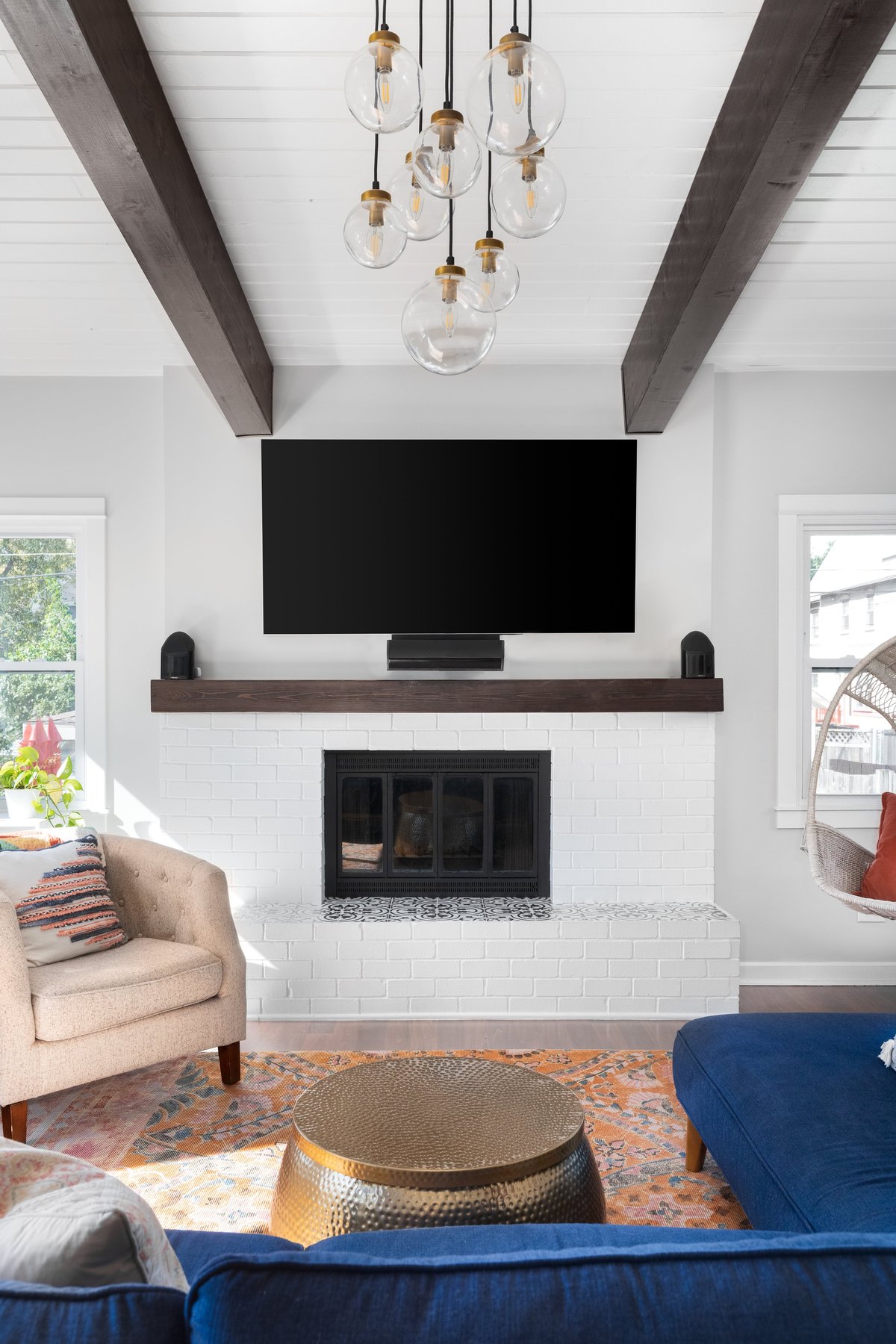
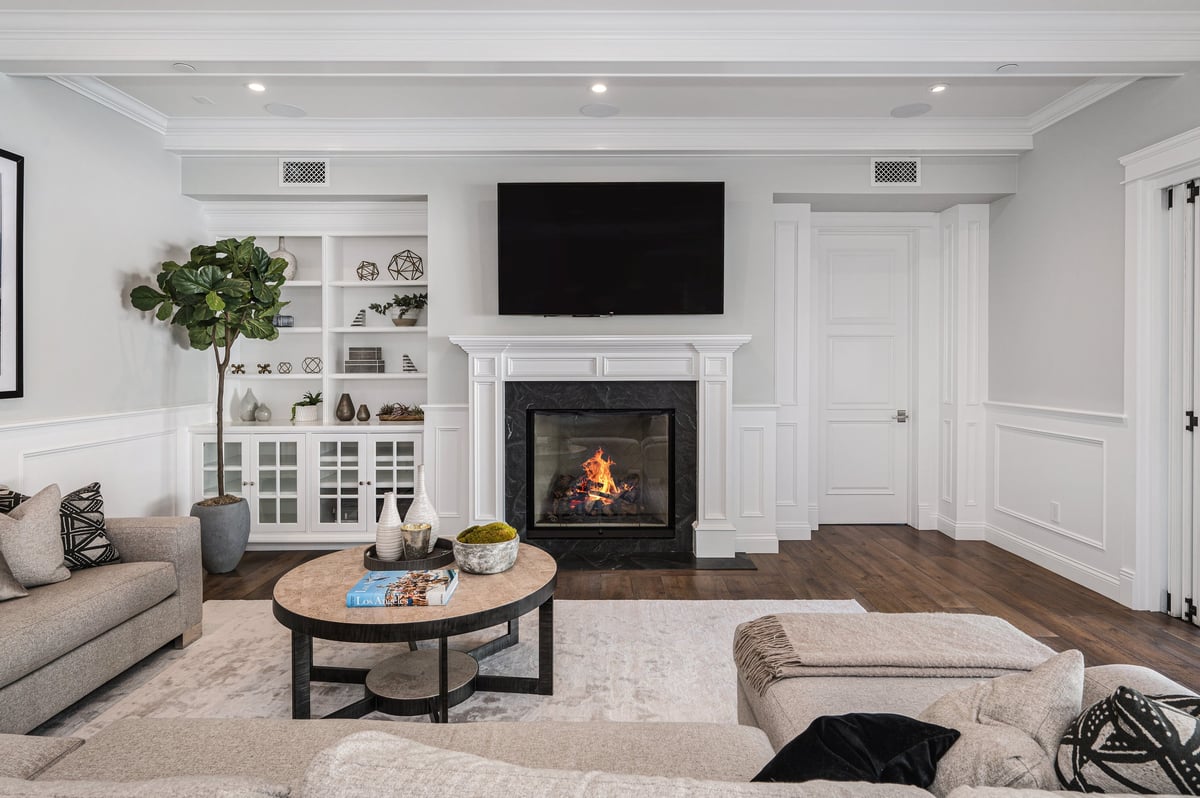
It's one of the most debated topics in home entertainment: should your TV go above the fireplace? The fireplace is often the natural focal point of a room, which makes the wall above it prime real estate — but there are real trade-offs to consider before you commit.

The Case Against: Heat, Height, and Neck Strain

The main objections are legitimate and worth taking seriously:

  • Heat damage: TVs have operating temperature ranges (typically 40°F–100°F). If your fireplace produces significant heat above the mantel, it can shorten your TV's lifespan. A simple test: run your fireplace on high for 30 minutes, then place your hand on the wall where the TV would go. If it's uncomfortably hot to the touch, it's too hot for electronics.
  • Viewing height: An above-fireplace TV often sits 50–65 inches from the floor. If your seating is 8–12 feet away, you'll be looking up — which can cause neck strain during long viewing sessions.
  • Aesthetics: Some people simply don't like the look of a black rectangle above their beautiful stone or brick hearth.

The Case For: Space, Symmetry, and Modern Design

Despite the concerns, above-fireplace mounting remains incredibly popular — and for good reasons:

  • It solves the "two focal points" problem: When a room has both a fireplace and a TV on different walls, furniture placement becomes awkward. Putting both on the same wall creates a single, natural gathering point.
  • It saves space: In smaller living rooms, mounting above the fireplace eliminates the need for a separate TV stand or entertainment center.
  • Modern fireplaces run cooler: Many newer homes have gas or electric fireplaces with insulated mantels and heat diverters that keep the wall above comfortably cool.

The Best-of-Both-Worlds Solution: Pull-Down Mounts

If the above-fireplace spot is your best (or only) option, a pull-down full-motion mount is the game-changer. These specialized mounts let you pull the TV down 20–30 inches to a comfortable viewing height when you're watching, then push it back up above the mantel when you're done. They're more expensive than standard mounts but completely eliminate the neck-strain problem.

Installation Considerations for Brick or Stone

Many fireplace surrounds are brick, stone, or veneer — which require specialized installation. We use masonry anchors or Tapcon screws for brick, and diamond-tipped bits for stone to avoid cracking. The installation takes longer than a standard drywall mount, but when done right, it's just as secure.

🔥 Our Honest Take:

We've mounted hundreds of TVs above fireplaces across Central NJ. In most modern homes with proper mantels, it's completely fine — especially with a pull-down mount. In older homes with wood-burning fireplaces and high heat output, we'll tell you honestly if we think it's a bad idea. Your TV's longevity matters more to us than one extra job.

Considering the above-fireplace setup? Let's talk through your options.

Call (732) 586-2221

Have a Question We Didn't Cover?

Every home is different. Reach out and we'll give you honest, no-pressure advice about your specific setup — whether you hire us or not.